Wildlife Care and Advice
A Step-by-Step Guide
Your First Priority: Call Us!
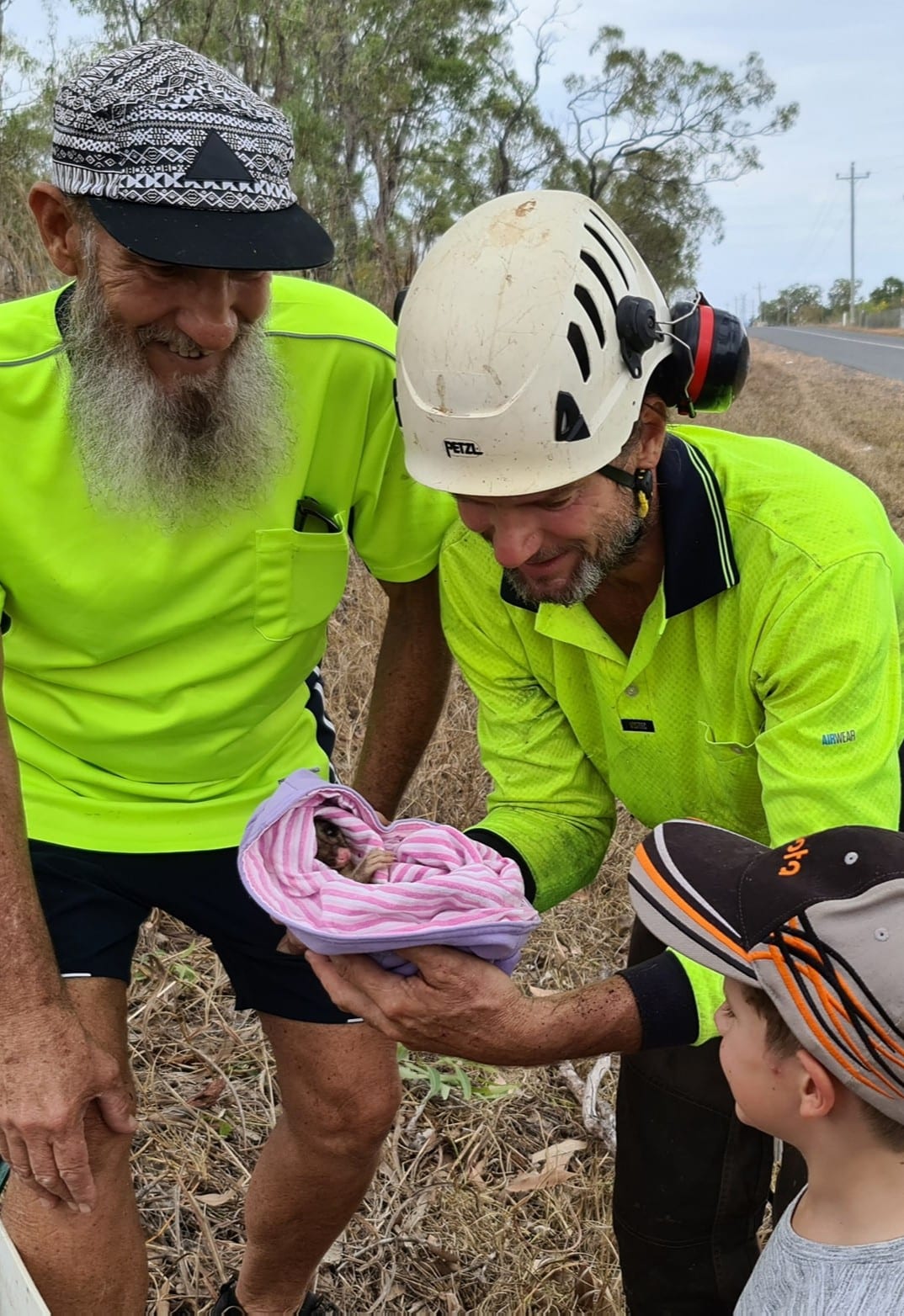
Before you do anything else, call our 24/7 hotline at (07) 4091 7767. Our trained operators can assess the situation, provide immediate guidance, and dispatch a trained rescuer. Your safety is paramount—do not put yourself at risk.
General Rules for Any Rescue
Safety First
Never approach an injured or distressed animal that could pose a risk to your safety. Do not handle dangerous species such as snakes, goannas, adult kangaroos, birds of prey (e.g., eagles, falcons, kites) and large parrots without proper training and experience.
A crucial warning: DO NOT HANDLE BATS OR FLYING-FOXES unless you are suitably vaccinated and trained professional. There is a risk of contracting Australian Bat Lyssavirus.
If multiple unwell or dead and dying birds are seen together, do not touch, they may have H5 Bird Flu. Please record your location and contact the 24-hour Emergency Animal Disease Hotline on 1800 675 888.
For road rescues, always carefully assess the surroundings and be aware of oncoming traffic before attempting to approach an animal. If the situation is hazardous, watch the animal from a safe distance while you wait for a rescuer.
Keep it Quiet and Dark
A quiet, dark environment reduces stress, which can be fatal for a wild animal. Place the animal in a well-ventilated box or carrier and place a lid on it.
Animals can sometimes escape when the initial shock subsides, this does NOT necessarily mean they are ok, which is why it is important to ensure the container is fully enclosed.
Keep it Warm
An injured or shocked animal can become cold quickly. Use a towel or jumper to provide a soft, warm place. You can also use a plastic bottle filled with warm (not hot) water wrapped in a cloth.
No Food or Water
Do not offer food or water unless you are explicitly instructed to do so. A stressed animal may choke/aspirate, and an incorrect diet can be harmful.
The Importance of Information
Animal-Specific First Aid
Birds
What to Do:
Carefully place the bird in a cardboard box with a lid. Secure the lid to prevent escape. There’s no need to poke extra holes in the box as long as it is not taped completely shut.
Common Scenarios:
Orphaned Chick: Any orphaned chicks that are picked up MUST be assessed by an experienced person. Even if they look fine, there may be injuries which are hard to see and not obvious to an untrained eye. Take notes of what birds are around when the chick is picked up, parents will often be noisy and nearby, even a visual description of the birds will be useful (colour, size, tail length etc.).
Window Strike: If the bird seems stunned, place it in a box in a quiet, dark room, get a photo of the bird if possible and call us for advice.
Mammals
What to Do:
For small mammals like possums or bandicoots, gently scoop them into a box using a towel.
Common Scenarios:
Pouch Check: If you find a dead kangaroo or wallaby on the side of the road, it’s vital to check the pouch for a living joey. Carefully feel the pouch for movement. If you find a joey, keep it warm and call us immediately.
Possum on the Ground: This is a sign of distress. They are nocturnal and should not be on the ground during the day unless they are sick or injured. Gently contain them and call for help.
Reptiles
What to Do:
Use a container with a secure lid to transport small reptiles like lizards or turtles.
Common Scenarios:
Snake that doesn’t slither away: Do not touch. Keep people and pets away and call us. We will connect you with a qualified snake catcher or rescuer if the snake is injured.
Turtle in the middle of the road: If a turtle is in the middle of the road, you can check to see if there are any obvious injuries (broken shell, floppy legs or neck, weakness in limbs). If it’s obvious that there are no injuries on the turtle, you can safely move it to the side it was heading towards. Be careful as they may bite.
Amphibians
What to Do:
Frogs and other amphibians have very sensitive skin. Use wet (with non-mains water), gloved hands to handle them if possible. Place them in a clean plastic container with a small amount of non-tap water (do not put enough water to submerge the animal, frogs can drown).
Common Scenarios:
Found in the Garden: If a frog is in a dangerous spot like a swimming pool, carefully move it into a clean plastic container (like a takeaway container) and contact us or the Frog Hospital on 4006 3784.
Orphaned Wildlife
The survival of orphaned wildlife depends on a swift and compassionate response.
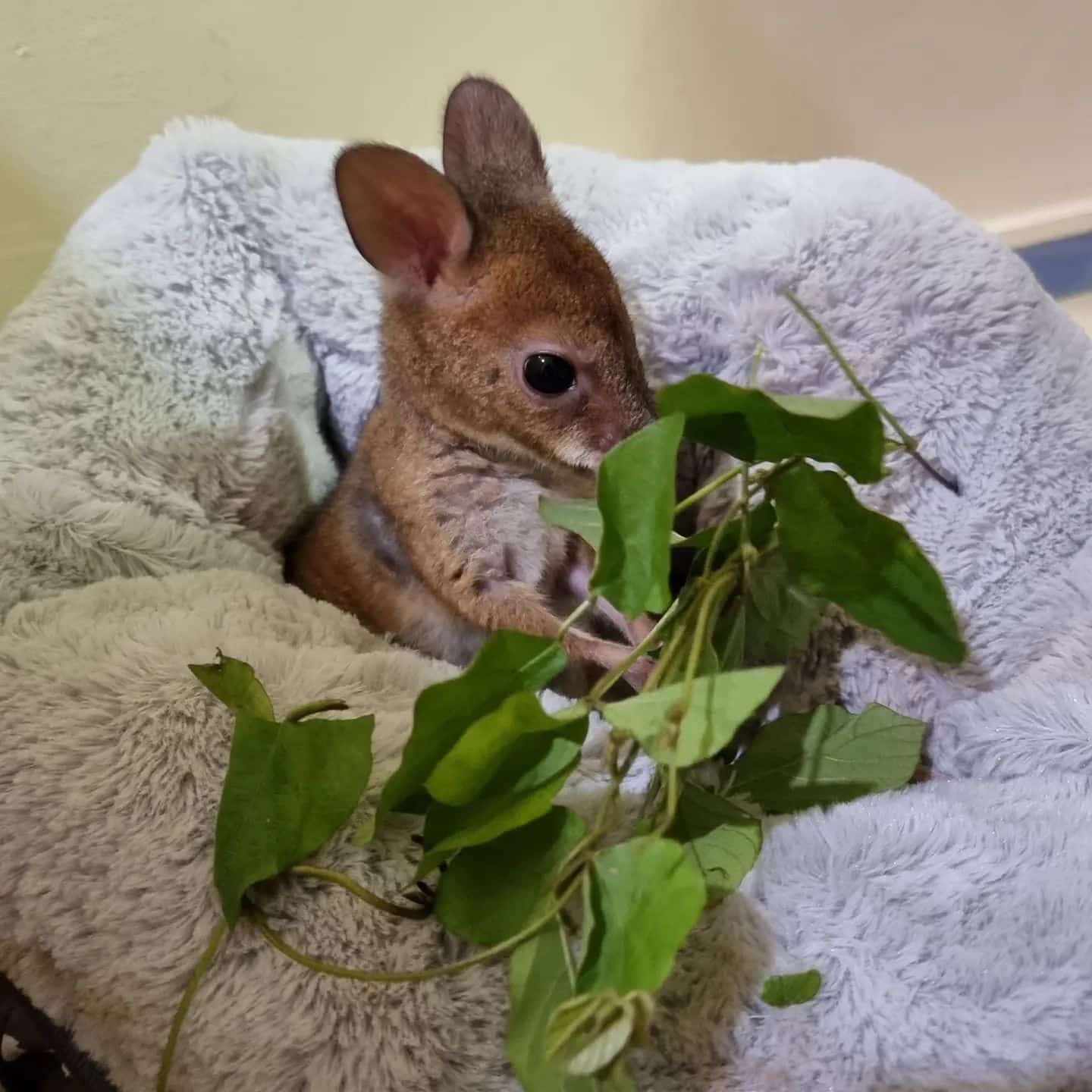
Pouch Check: If you find a dead marsupial on the side of the road, it’s vital to check the pouch for a living joey. Carefully feel the pouch for movement, pull it open and have a look inside. If you find a joey, keep it warm and call us immediately. Be aware that very small can have their mouths fused with the teat and pulling it out can cause catastrophic injuries, in these situations its best to call for advice.
Fallen Chicks: If you find a chick on the ground, contact us for guidance. All baby birds should be assessed by an experienced person; they can often have cryptic injuries which aren’t obvious to an untrained eye.
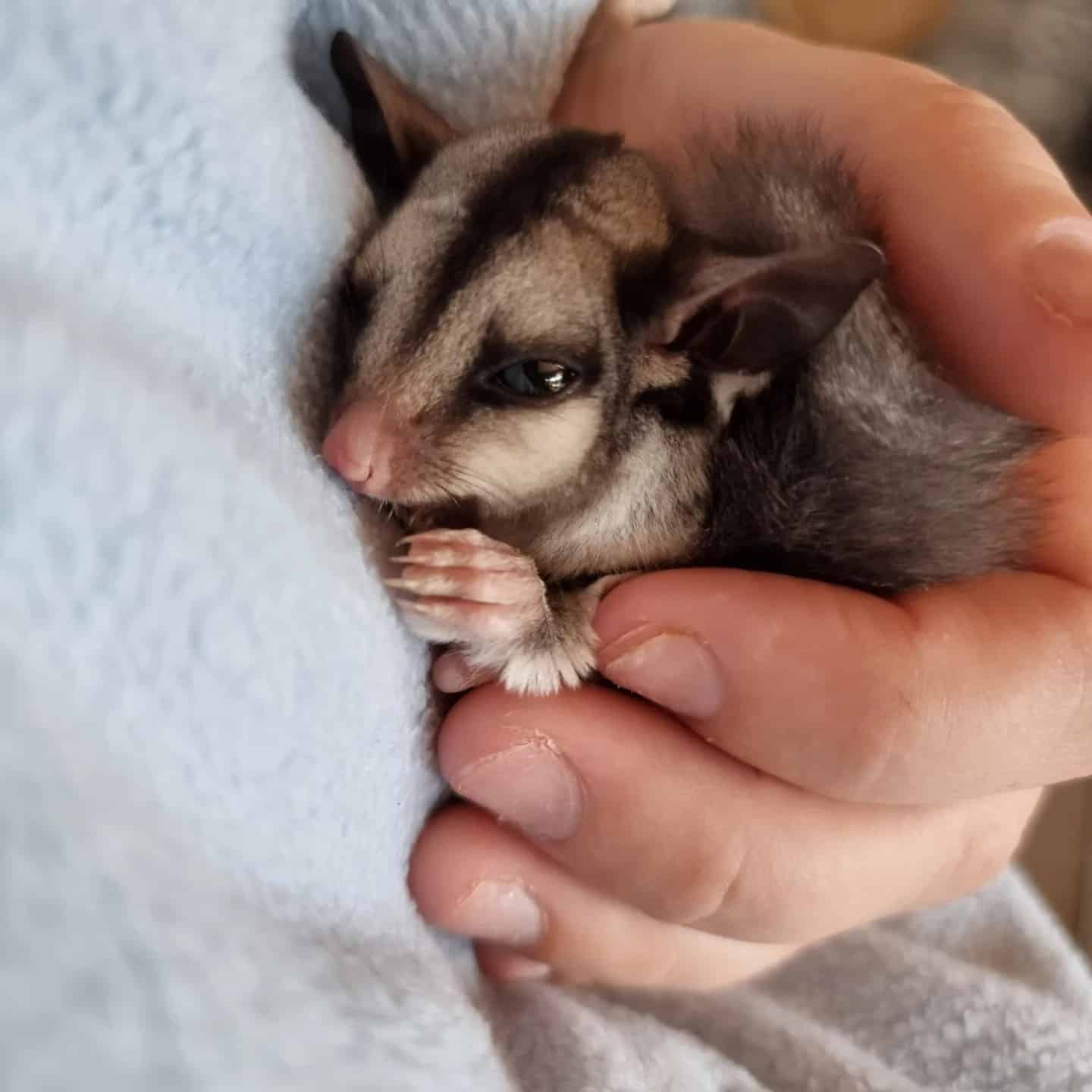
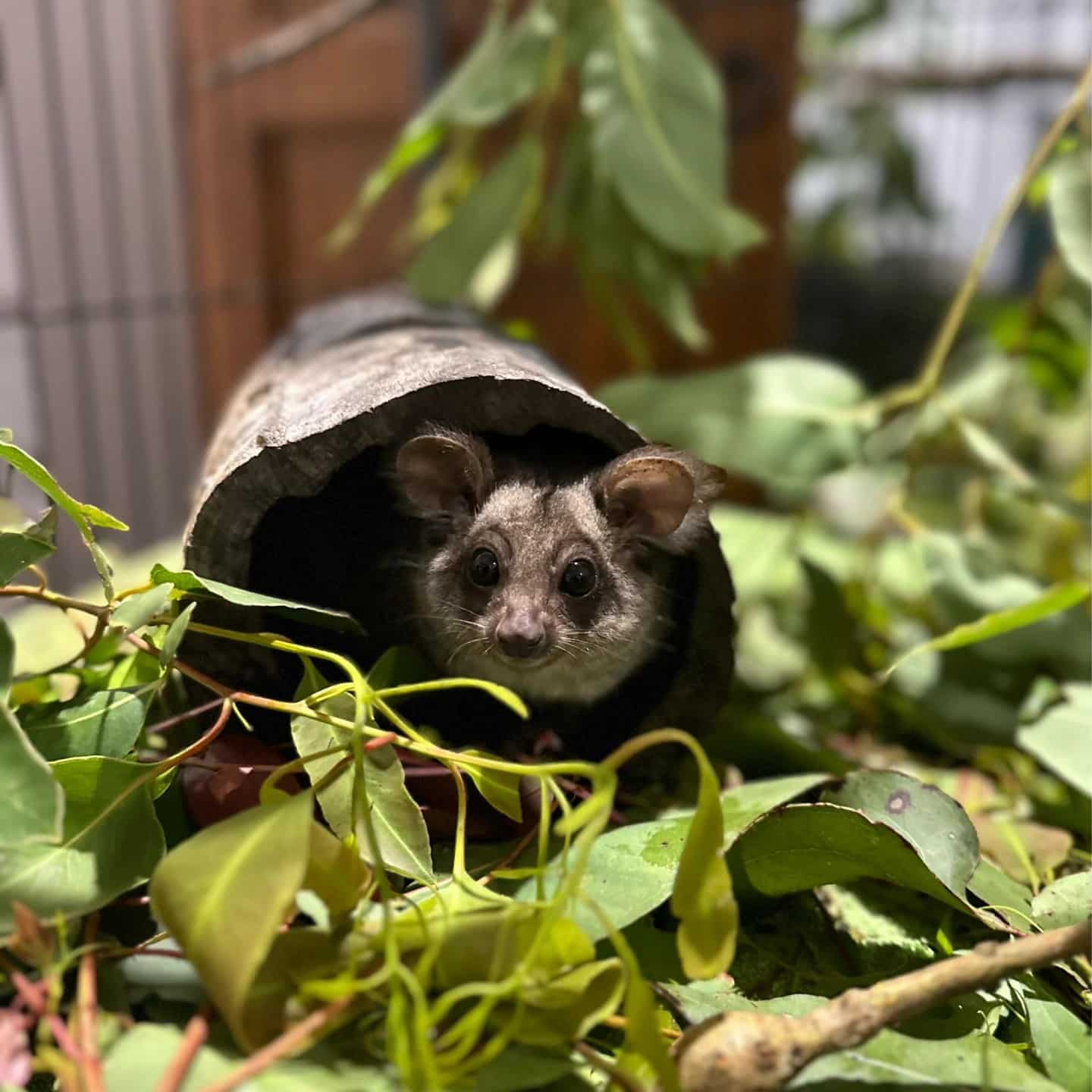
Possum or Bandicoot Babies: If you find a baby possum or bandicoot that has fallen from its mother, gently scoop it up with a towel and place it in a quiet, dark box. Have a good look for other joeys nearby as bandicoots will have multiple joeys at once while many possum and glider species have twins or quadruplets. Keep them warm and call our hotline immediately.



You Can Still Help
What to Do When It’s Too Late
Check for a Pouch
Clear the Road
Mark the Spot
Ways to Help Wildlife
Wildlife-Aware Driving
Unfortunately, land clearing, habitat fragmentation, and poor planning have made roads one of the biggest threats to our wildlife. Here are a few important things to keep in mind:
Drive with Caution: Be vigilant on both regional and urban roads, especially in the early mornings, late afternoons, and through the night when many native animals are most active.
Winter Vigilance: In winter, with fewer hours of daylight, more of us are on the roads during dawn and dusk—the most active times for native animals.
If You Hit an Animal: If you accidentally hit an animal, please stop whenever it is safe to do so. Always check the pouch and the nearby area for young. Very small pouch young who are still attached to the teat should not be removed before contacting a professional for guidance.
Dead Animals on the Road: Dead animals can attract scavengers, increasing the risk of more collisions. If it is safe to do so, move the animal even a few meters off the road.
Protecting Wildlife from Poisons
Pesticides are formulated to kill pests, but they harm wildlife through primary or secondary poisoning. Primary poisoning occurs when an animal, like a possum, directly eats the poisoned bait. Secondary poisoning happens when a predator, like an owl, eats a poisoned rat.
Deter Pests Naturally: The safest approach is to avoid pesticides entirely. Keep your property tidy, seal up holes in your home, and remove potential food sources.
Safe Alternatives: Use humane traps or natural pest deterrents. If you must use a pesticide, ensure it is in a tamper-proof bait station and avoid products containing highly toxic, long-lasting ingredients.
Wildlife-Friendly Fencing and Netting
Each year, thousands of native animals, including birds, kangaroos, gliders and flying-foxes, are fatally entangled in barbed wire fences.
Avoid Barbed Wire: Consider using plain wire or barbless twisted wire, especially in areas where wildlife are known to cross.
Increase Visibility: Make wire fences and gates more visible by attaching white plastic bags, flagging tape or using white electric fence tape that flickers in the breeze.
Safe Netting: Use wildlife-safe netting with a mesh size of less than 5mm to protect fruit trees. Do not use ‘bird netting’ with a larger mesh size.
Creating a Wildlife-Friendly Garden
As natural habitats shrink, our gardens are becoming increasingly important for native wildlife.
Plant Natives: Choose native trees, shrubs, and ground covers to provide food, shelter, and nesting sites for local species.
Provide Water: A simple birdbath in a safe location away from predators provides a crucial water source. Ensure it is shallow or has twigs inside so animals can easily climb out. Make sure you keep the birdbath clean and scrub out regularly.
Leave it Natural: Allow leaf litter to build up to attract insects and lizards. Leave hollowed logs and branches in your garden for nesting sites.
Don’t Feed Birds: Feeding birds can cause dietary imbalances, disease, and dependency on humans. It can also lead to an increase in aggressive species and non-native pests.
Responsible Fishing and Rubbish Disposal
Discarded fishing line and hooks can cause severe injuries and death to wildlife.
Proper Disposal: Safely dispose of all rubbish, especially fishing line. Roll up unwanted line and cut it into small lengths before putting it in the bin.
Leave No Trace: Always take your rubbish with you, even if it’s not yours.
The Dangers of Wildlife Self-Care
It is illegal to keep native wildlife without a rescue permit. Native animals require highly specialised and intensive care. They have complex dietary needs, often requiring 2-3 hourly feeds around the clock. They can suffer from severe internal injuries that are not immediately obvious. Trained and licensed carers provide the expertise and specialised housing required to give the animal the best chance of recovery and a successful return to the wild.
We need your help
Ready to Make a Difference?
If this information has inspired you to do more, we need your help! Our mission to rescue, rehabilitate, and release native wildlife is only possible because of our dedicated volunteers and carers.
Become a Volunteer
From transport drivers to administrative support, we have a role for everyone.
Become a Carer
Receive the training and support you need to open your heart and home to an animal in need.