Immediate action can save a life. Our emergency hotline is available 24/7.
Found an Injured or Orphaned Animal?
Step 1.
Stop and Assess
Safely pull over. Is the animal on the road? Is it safe for you to get close? Never approach a snake, bat, adult kangaroo, or an animal that is acting aggressively.
Step 2.
Make the Call
Describe the animal, its location, and the situation to our operator. We will provide immediate advice and dispatch a rescuer.



Step 3.
Wait for Help
Follow the operator’s instructions on containment (e.g., placing a small animal in a ventilated box) and wait for a rescuer to arrive.
Our Impact
Your Local Heroes for Wildlife
Founded in 2013, Tablelands Wildlife Rescue is a non-profit, volunteer-run organisation dedicated to the rescue, rehabilitation, and release of sick, injured, and orphaned native animals. Each year, we see a myriad of animals that needs our help. The reasons they come into care is as varied as the species we receive, from rat bait toxicity to car strikes and even intentional harm from humans. Our mission is not only to save these precious animals from the immediate threats they face, but also to educate our community on ways we can all reduce our negative impacts to the wildlife we share our beautiful part of the world with.
Last year alone, our dedicated volunteers responded to thousands of calls, giving countless native animals a second chance.
Birds
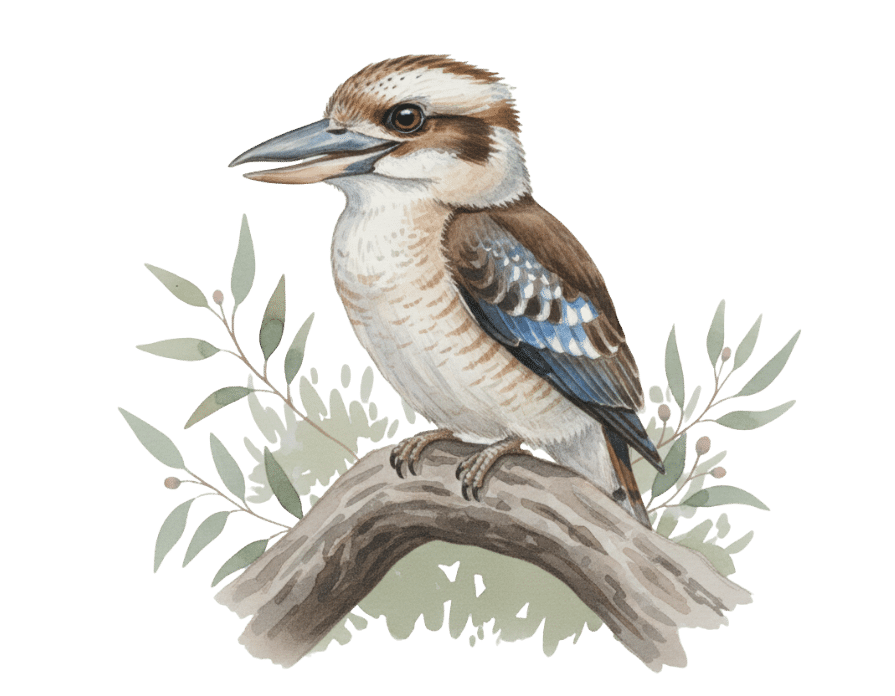
Birds make up the largest percentage of our rescue calls. They are highly mobile and often come into conflict with human environments through car strikes, injuries from domestic pets, window strikes and entanglement in netting and lines. Orphaned or fallen chicks are very common reasons for a rescue call.

Mammals
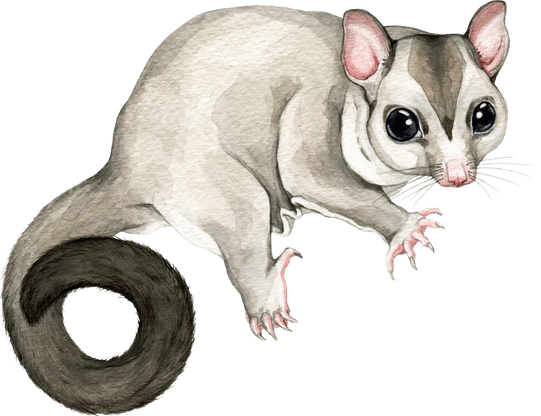
Mammals are our next most frequent rescue. They often become victims of road accidents, especially kangaroos, wallabies, and possums. Mammal rescues also include a high number of orphaned joeys found in the pouches of deceased mothers, animals caught on barbed wire fences and sick animals that have been noticed by members of the community.

Reptiles
Reptile rescues are common during warmer months. This includes turtles found injured on roads, lizards that are hit by cars or attacked by pets, and snakes which are injured by cars or pets.

Amphibians
Amphibians are the smallest group we rescue. Calls for frogs and other amphibians are much less frequent, often related to them being found injured or in distress in gardens and urban areas.
When You Can’t Call or Need More Information
Need Rescue Advice?
Found a distressed animal and want to know more about what you can do while a rescuer is on the way? Our comprehensive Rescue Advice page provides detailed information on how to safely handle and care for different types of native animals, as well as tips on what to do in common scenarios like finding an orphaned joey or a bird caught in a fence.
Give to the Cause
How You Can Help
Every act of generosity helps us continue our life-saving work. Whether it’s a financial gift, a recycled can, or a vital piece of equipment, your contribution directly fuels our rescue efforts and gives a second chance to animals in need.

Fuel Our Rescue Efforts
Every dollar provides food, medical supplies, and transport for an animal in need. A one-time or recurring donation is one of the most direct ways to help.

Recycle for a Reason
Turn your empty drink containers into vital funds for our rescue. Just drop them off at a local Containers for Change depot and use our Scheme ID: C10492948.

Become a Wildlife Guardian
Our corporate and community partners are vital to our mission. Find out how your business can support our work and show your commitment to local wildlife.

Our Wish List
We’re always in need of new and gently used supplies, from towels and blankets to specialised feeding equipment. Check our list to see what we need most!
Lend Your Skills
Get Involved
Join Our Team
From transport drivers and hotline operators to administrative support, we have a role for everyone. Help us save lives in your spare time.
Open Your Heart and Home
Be the hands-on hero. With training and support, you can rehabilitate and release wildlife from your own home. This is the ultimate way to make a difference.
Be Part of Our Family
Show your commitment and help us secure our future. Membership provides reliable, ongoing support and offers you exclusive benefits and access to special events.
Rescue, Rehabilitate, Release
Phase 1
Rescue
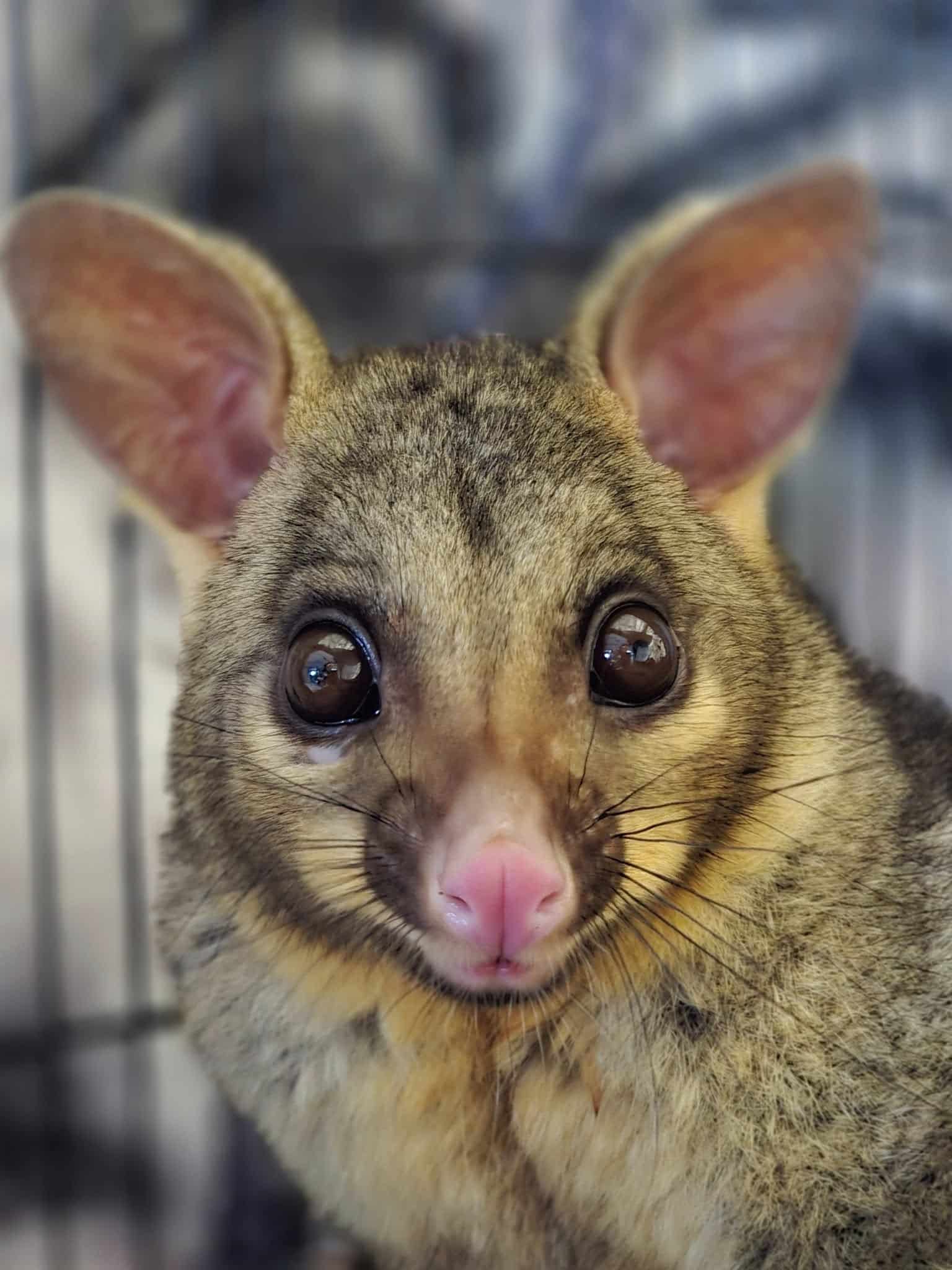
This is the critical first step. Our dedicated team of volunteers is on call 24/7 to respond to emergencies. Whether it’s an animal hit by a car, a bird with a broken wing, or an orphaned joey, we are there to provide immediate assistance, first aid, and safe transport to a qualified carer.
Phase 2
Rehabilitate
Phase 3